
Lisbon vs Porto vs the Algarve: where should you buy in Portugal?
 PauloPortugal relocation advisor
Updated July 2026
11 min read
PauloPortugal relocation advisor
Updated July 2026
11 min read
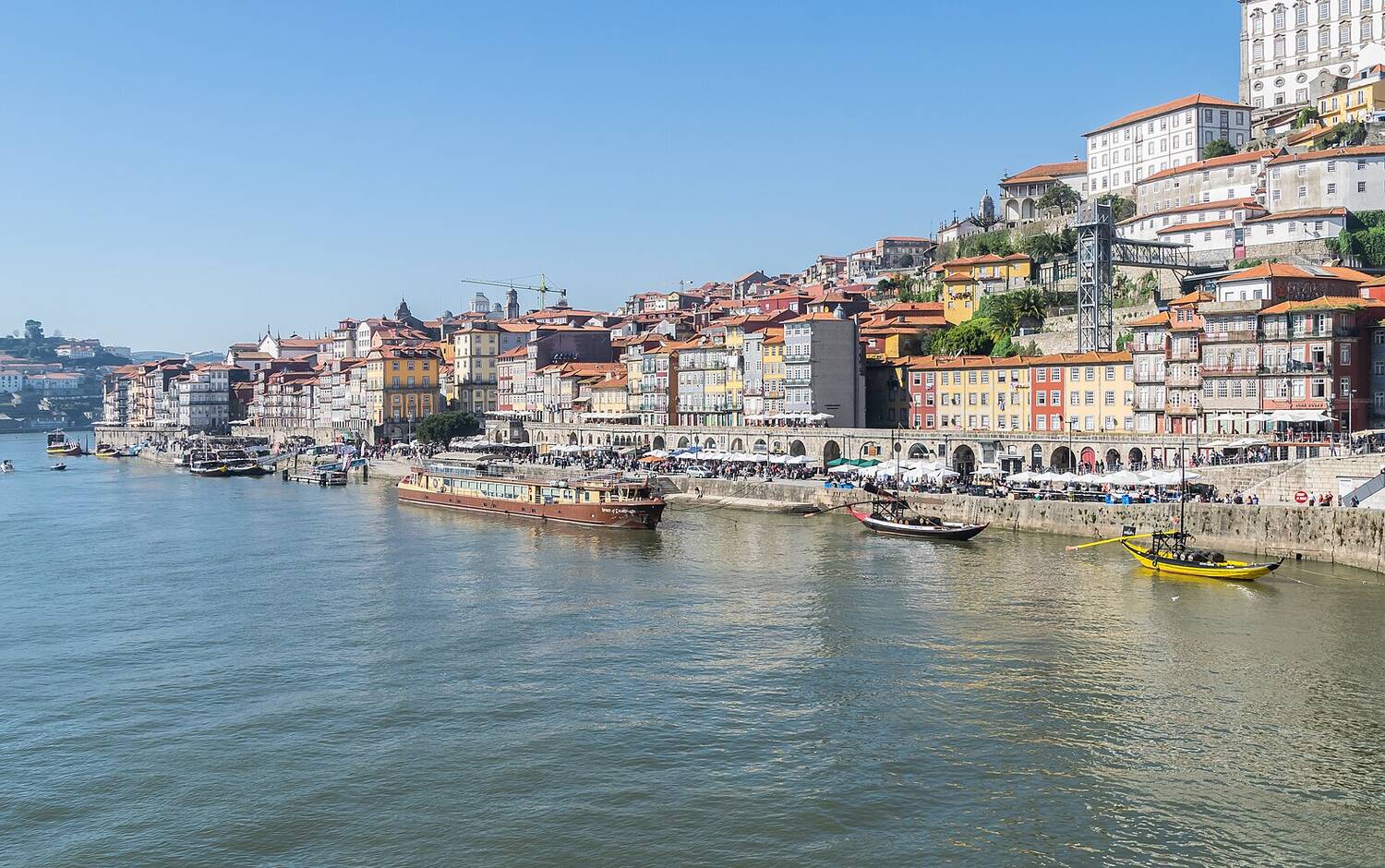
This is the question we hear more than any other: Lisbon, Porto or the Algarve? All three are wonderful, and none of them is the wrong answer. They simply suit different lives, different budgets and different reasons for moving.
So rather than crown a winner, we have laid the three regions side by side on the things that actually shape daily life and a sound purchase: what homes cost, what they earn if you let them, the weather, the flights home, the schools and the feel of each place. Where a number matters we have sourced it, and where a rule has changed recently we have said so plainly. Let's walk through it together.
- Lisbon is the priciest by a clear margin at a median of €4,875/m², the Algarve sits in the middle at €3,139/m², and the wider Porto metro area is the most affordable at €2,305/m² (2025 medians, by district or metro, per idealista).
- Porto and the Algarve give you the better rental return, with typical gross yields around 5 to 7 percent in Porto and about 5.6 percent on average in the Algarve, while Lisbon runs lower at roughly 3.8 to 4.7 percent.
- The Algarve is the sunniest at around 3,135 hours a year and 300-plus sunny days; Porto is greener, cooler and wetter at around 2,465 hours.
- Lisbon has by far the best flight connections, passing 35 million passengers in 2024, ahead of Porto and a highly seasonal Faro.
- Buying a home no longer earns you a Golden Visa, and the old NHR tax regime has closed, so choose your region for the life you want, not an outdated shortcut (as of 2026).
Prices are rising sharply everywhere, so the gap between regions matters more than ever. Source: idealista, 2025 sale data.
What homes cost in each region
Start with the headline numbers, because they frame everything else. The figures below are 2025 median prices from idealista, measured by district or metropolitan area. One honest caveat before you read them: the Porto figure is for the whole metropolitan area, including cheaper outer towns. Porto city itself is far dearer: the municipality averaged around €3,900/m² in late 2025, with prime riverside areas such as Foz do Douro near €4,700/m², much nearer Lisbon than the metro average suggests.
| Region | Median price | What it means |
|---|---|---|
| Lisbon | €4,875/m² | The most expensive in the country, and still climbing |
| Algarve | €3,139/m² | The middle ground; coastal hotspots cost much more |
| Porto (metro area) | €2,305/m² | Cheapest headline, but the city centre is far higher |
| Portugal (national) | €2,076/m² | The baseline, up 16.8 percent year on year |
In plain terms: for the same budget, you will get noticeably more home in Porto than in Lisbon, with the Algarve in between. But averages hide a lot. A renovated apartment on the Lisbon riverfront, a townhouse in Porto's historic core and a villa near a busy Algarve beach can all cost about the same, so the region you pick sets the starting point, not the final price. That is exactly the sort of thing we help you pressure-test property by property.
Rental yields, if you plan to let
If part of your plan is to let the home, whether short stays or long lets, the picture flips. The most expensive region to buy is the weakest for yield, because high prices dilute the rent. Portugal's national average gross yield sat at about 4.33 percent in late 2025, and the three regions land on very different sides of it.
| Region | Typical gross yield | Notes |
|---|---|---|
| Lisbon | ~3.8% to 4.7% | Lowest yield; high prices, prime studios do better |
| Porto | ~5% to 7% | Strong balance of price and rent |
| Algarve | ~5.6% avg (up to ~8%) | Highest on average; prime coastal spots at the top |
So the Algarve's prime coastal towns such as Lagos, Vilamoura and Albufeira can reach up to around 8 percent, helped by strong holiday demand, while Porto (typically 5 to 7 percent) offers a dependable middle path. Lisbon is where you buy for the capital lifestyle and long-term capital growth rather than the monthly cash return. None of these are guarantees, and short-let rules vary town by town, but they give you an honest sense of the trade-off. These are indicative aggregator figures, not a promise for any single flat.
Not sure which region fits your budget?
On a free discovery call we map your budget and goals to the right region, and the specific towns within it, before you commit to anything.
Book a discovery call Free consultation. No obligation.Weather, flights and getting home
Money aside, two practical things quietly decide how happy people are with their move: the weather and how easily they can get home. Here the regions split along a clear north-south line.
On sunshine, the Algarve wins comfortably. Faro records around 3,135 hours of sun a year, the most in Portugal, with 300-plus sunny days. Lisbon follows at around 2,828 hours, still generous. Porto sits at roughly 2,465 hours: cooler, greener and noticeably wetter. Many people love Porto precisely for that softer, more Atlantic climate, so more sun is not automatically better. It depends on the life you picture.
| Region | Sunshine hours/year | 2024 airport passengers |
|---|---|---|
| Lisbon | ~2,828 hours | 35 million-plus (widest long-haul network) |
| Porto | ~2,465 hours | ~15.9 million |
| Algarve (Faro) | ~3,135 hours | ~9.8 million (highly seasonal) |
On flights, Lisbon is in a different league. Its airport passed 35 million passengers for the first time in 2024 and has the broadest long-haul reach, including the Americas, Asia and Africa. Porto handled around 15.9 million with strong European links. Faro, at around 9.8 million, is highly seasonal: brilliant for the UK and northern Europe in summer, thinner in winter. If you will fly to North America often, Lisbon makes life far easier. If your family is in the UK and you mostly travel in summer, Faro is more convenient than the raw numbers suggest.

Schools, healthcare and community
For anyone moving with family, or simply wanting to feel at home quickly, three more things matter: schools, healthcare and finding your people.
International schools cluster around the capital. Of Portugal's 82 international schools, 38 are in Lisbon, 17 in the Algarve and 8 in Porto, with median fees near €12,000 a year. So Lisbon gives you the widest curriculum choice, the Algarve is surprisingly well served for its size, and Porto has fewer but still solid options.
Healthcare works the same wherever you settle. Any legal resident, of any nationality, can register for the public SNS through a local health centre, with consultations typically costing €5 to €10. Many people add private insurance, roughly €25 to €60 a month for a basic plan and €80 to €150 for comprehensive cover, for shorter waits and English-speaking clinics. English-speaking private care is easiest to find in Lisbon and the Algarve.
On community, Portugal now has a record 1,543,697 foreign residents as of end 2024 (AIMA). British nationals are among the largest and fastest-growing groups, historically concentrated in the Algarve and greater Lisbon. So if an established, English-speaking community matters to you, those two regions make a soft landing. Porto is more authentically Portuguese day to day, which many people count as a plus.
The rules that recently changed
Before you choose a region for the wrong reason, two big shortcuts that used to sway buyers are gone or narrowed. We would rather you hear this from us clearly (all as of 2026):
- Buying a home no longer earns a Golden Visa. Since 7 October 2023, property investment of any kind is ineligible, and the common route now is a €500,000 qualifying investment fund. Do not pick a region expecting a home purchase to hand you residency.
- The old NHR tax regime has closed to new applicants. It was replaced from 1 January 2025 by IFICI, or NHR 2.0, a 20 percent flat rate that is far more restrictive and needs a qualifying high-value profession. Most retirees and passive-income movers will not qualify.
- The citizenship timeline may be getting longer. Portugal's Parliament approved raising the residence requirement from 5 to 10 years on 28 October 2025. It is politically contested and subject to further legal review, so treat the exact figure as unsettled and verify current status before relying on it.
None of this changes which region is loveliest to live in. It just means the choice should be about your life, not a tax or visa loophole. We will always be straight with you about what applies to your situation and point you to the right specialists.
So which one is right for you?
Here is how we tend to frame it with families on a call:
- Choose Lisbon if you want a true capital city, the widest school choice, the best long-haul flights and long-term capital growth, and you are comfortable paying the highest prices for the lowest rental yield.
- Choose Porto if you want more home for your money, a strong and dependable rental return, a greener and cooler climate, and a more authentically Portuguese daily life, accepting fewer international schools and flight routes.
- Choose the Algarve if sunshine, the beach and a large, established English-speaking community come first, and you value the highest average rental yields, while accepting a seasonal airport and a lifestyle that quietens in winter.
Most people arrive certain of one region and leave a discovery call reconsidering, once the numbers and the day-to-day reality are on the table. There is no wrong choice here, only the one that fits your budget, your family and the life you are picturing.
Ready to narrow it down to the right town?
We help international buyers choose the right region, then the right home within it, near the schools, flights and community that fit. One dedicated team, from first viewing to the keys.
Book my discovery call Free consultation. No obligation. Your details stay private.Common questions
On the headline median, yes. The Porto metropolitan area sat at about €2,305/m² in 2025 versus €4,875/m² in Lisbon and €3,139/m² in the Algarve. But that Porto figure covers the whole metro, including cheaper outer towns. Porto city itself runs much higher, with the municipality around €3,900/m² in late 2025 and prime riverside areas such as Foz do Douro near €4,700/m², so compare like for like when you view.
On typical gross yields, Porto and the Algarve lead. Porto tends to run around 5 to 7 percent and the Algarve about 5.6 percent on average, with prime coastal towns reaching up to around 8 percent. Lisbon is lower at roughly 3.8 to 4.7 percent because prices are so high. These are indicative figures, and short-let rules vary by town, so it is worth checking each property carefully.
No. As of 2026, buying property no longer qualifies for Portugal's Golden Visa. Real estate has been ineligible since 7 October 2023, and the common route now is a €500,000 qualifying investment fund. Choose your region for the life you want, not for residency through a home purchase.
The Algarve is the sunniest, with Faro at around 3,135 hours a year and 300-plus sunny days. Lisbon follows at about 2,828 hours, and Porto is cooler and wetter at around 2,465 hours. More sun is not automatically better, though. Plenty of people prefer Porto's greener, milder climate, so the right answer depends on the life you want, which is what we map out on your call.
Paulo has spent his career in property across Lisbon and London, and founded GetCasa to give international buyers the independent survey, legal and financing standards he would expect for himself. GetCasa is a licensed real-estate mediator in Portugal (AMI 24277).