
The true cost of buying a house in Portugal: IMT, stamp duty and all the fees
 PauloPortugal relocation advisor
Updated July 2026
10 min read
PauloPortugal relocation advisor
Updated July 2026
10 min read
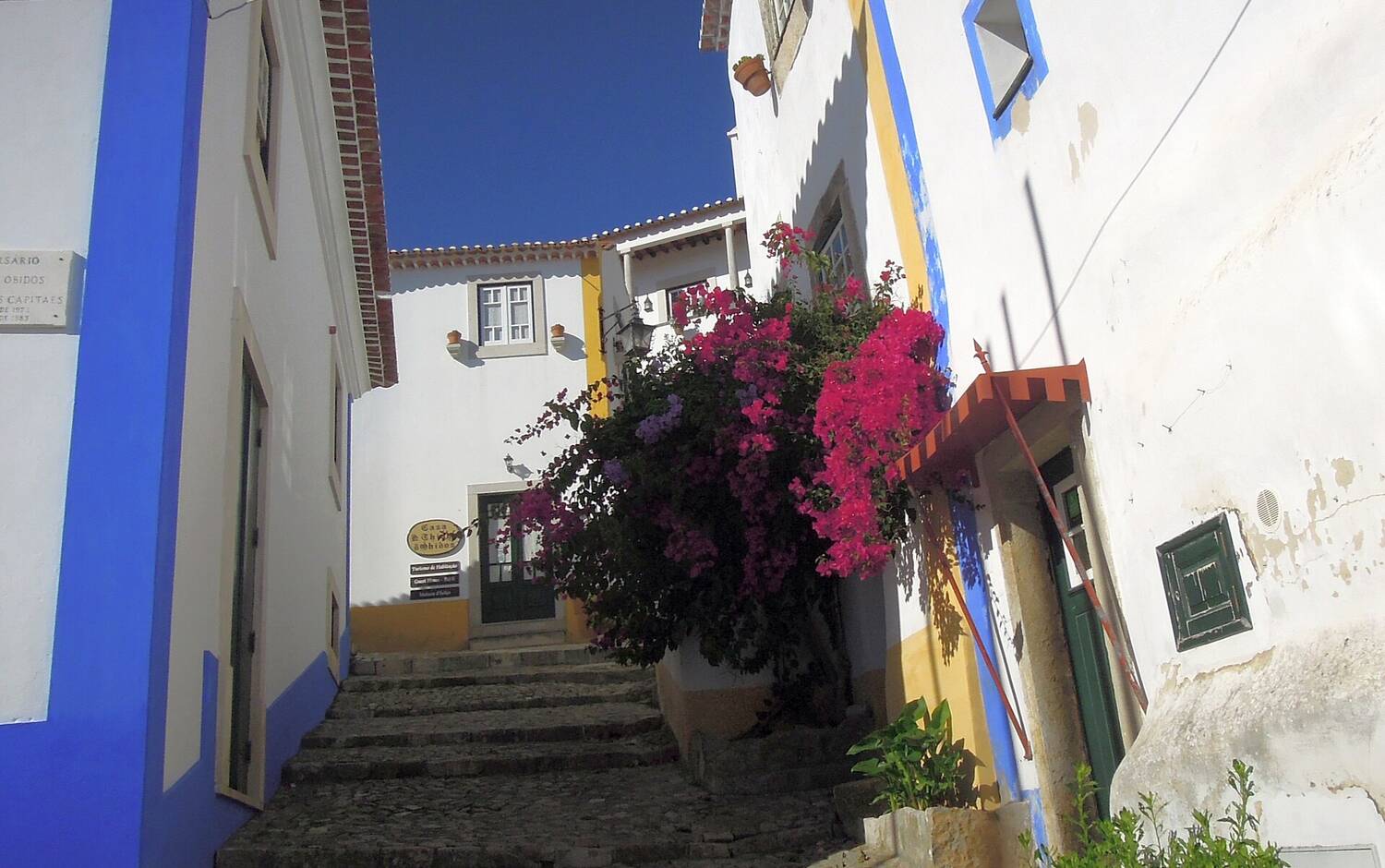
When you find a home in Portugal at, say, €300,000, that is not what you actually need in the bank. On top of the price sit a handful of taxes and fees, and the good news is that they are all knowable in advance.
The single biggest one is a purchase tax called IMT, followed by stamp duty and a short list of smaller costs for the notary, the land registry and, if you are borrowing, the bank valuation. Add them up and, for most homes, you are looking at roughly 6 to 8 percent of the price. Below we walk through every line, with real figures for 2026 and a full worked example, so you can budget with your eyes open.
- Budget an extra 6 to 8 percent of the price for taxes and fees when a resident buys a main home under €1,000,000, and 10 percent or more on higher-value homes, per idealista and Divine-Home.
- Second homes and non-residents pay more. The €106,346 exemption is for a permanent own home only, and since 25 May 2026 non-resident buyers pay a flat 7.5 percent IMT with no exemption, per idealista.
- IMT is the big one. For a permanent own home in 2026 the first €106,346 is exempt, then it climbs in bands up to 8 percent at the margin, per Doutor Finanças.
- Stamp duty has two parts: 0.8 percent on the deed always, plus 0.6 percent on the loan if you take a mortgage of five years or more.
- Buyers up to 35 can pay nothing. As of 2026, IMT Jovem gives a full exemption from both IMT and deed stamp duty on a first home up to €330,539.
- A lawyer is optional in Portugal. The notary and the state Casa Pronta service already handle the legal transfer.
IMT and stamp duty are the bulk of it. The notary, registry and valuation costs are small and predictable by comparison.
What "the true cost" actually includes
There is no single "closing cost" bill in Portugal. Instead there are a few separate charges, each paid to a different place. Here is the whole list, so nothing takes you by surprise:
- IMT (Imposto Municipal sobre as Transmissões), the property transfer tax, paid before the deed.
- Imposto do Selo (stamp duty) on the deed, and separately on the mortgage if you borrow.
- Notary and land registry fees, usually handled through the state one-stop Casa Pronta service.
- Bank valuation, the Portuguese equivalent of a survey, required if you take a mortgage.
- Legal fees, which are optional here rather than mandatory.
We will take each in turn. The two taxes do most of the work, so we will start there.
IMT: the purchase tax that matters most
IMT is a one-off tax you pay when a property changes hands, and it is the largest single cost after the price itself. For a permanent own home it is progressive, which means it is charged in bands, a little like income tax. As of 2026, the brackets for a permanent home look like this, following the official Portal das Finanças table and the 2026 State Budget update:
| Purchase value | Rate on the band |
|---|---|
| Up to €106,346 | 0% (exempt) |
| €106,346 – €145,470 | 2% |
| €145,470 – €198,347 | 5% |
| €198,347 – €330,539 | 7% |
| €330,539 – €660,982 | 8% |
| €660,982 – €1,150,853 | 6% (flat) |
| Above €1,150,853 | 7.5% (flat) |
The most important thing to understand is that these are marginal rates, charged band by band. The 8 percent figure only applies to the slice of the price inside that band, not to the whole purchase. So the effective rate you actually pay is much lower. On a €300,000 home, for example, the IMT works out at roughly €10,500, an effective rate of about 3.5 percent, not 7 or 8. We will show the full sum in the worked example below.
One quick note for context: IMT is charged on the higher of your purchase price or the property's tax value (the VPT). For most normal sales the purchase price is higher, so that is the figure that counts. The brackets are also indexed each year, rising about 2 percent in the 2026 budget, so always check the current tax year before you commit.
Second homes and non-residents pay more
This is the caveat that matters most for international buyers, and it is easy to miss. Everything above, including the €106,346 exempt slice and the roughly 6 to 8 percent total, applies to a permanent own home (habitação própria e permanente). If you are buying a second home, a holiday flat or a pure investment, you do not get that first exempt band, so your effective IMT is higher from the first euro.
Non-residents face a bigger change still. Under Decreto-Lei 97/2026, since 25 May 2026 a buyer who is not a tax resident in Portugal at the date of the deed pays a flat 7.5 percent IMT on residential property, with no exemption and no progressive bands, applied from the first euro. On a €300,000 home that is €22,500 in IMT alone, well above the roughly €10,500 a resident buying a main home would pay.
There is relief if your plans change: you can reclaim the difference between the 7.5 percent and the normal progressive rates if you become a Portuguese tax resident within two years of the purchase, or let the property at a moderate rent, per Doutor Finanças. But if you are buying as a non-resident second-home or investment buyer, budget for the higher figure, not the 6 to 8 percent that applies to a resident buying a main home.
Want your real numbers, not a rough range?
On a free discovery call we map your budget to the right area and run the exact IMT, stamp duty and fees for the kind of home you are after, before you commit to anything.
Book a discovery call Free consultation. No obligation.IMT Jovem: the under-35 break
If you are buying young, this one is worth knowing about, because it can wipe out both IMT and the deed stamp duty entirely. IMT Jovem is a relief for first-time buyers up to 35, and as of 2026 it works like this, per Santander:
- Full exemption from both IMT and Imposto do Selo (the deed stamp duty) on a first permanent home up to €330,539.
- Partial exemption on homes between €330,539 and €660,982, where you pay only on the portion above €330,539.
- No benefit above €660,982.
The Portal das Finanças sets out the conditions: you must be up to 35 at the date of the deed, fiscally independent, buying a first permanent home, and you must not have owned any property, or a share of one, in the three years before the purchase. Like the IMT bands, the thresholds are indexed and move each year, so treat the figures above as the 2026 numbers and confirm the current year when you buy.
Stamp duty, in two parts
Stamp duty, or Imposto do Selo, trips people up because it is really two separate charges. Everyone pays the first. Only borrowers pay the second.
- On the deed: 0.8 percent of the price or the VPT, whichever is higher, paid before the deed is signed. This applies to every purchase, cash or mortgage, per SUPERCASA.
- On the mortgage: if you borrow, there is a further stamp duty on the loan itself. It is 0.6 percent for terms of five years or more, 0.5 percent for one to five years, per Bankinter. On a €300,000 loan over more than five years, that is €1,800.
So a cash buyer pays only the 0.8 percent on the deed. If you take a mortgage, you add the 0.6 percent on the borrowed amount as well. It is a small line, but easy to forget.
Notary, registration, valuation and legal
After the two taxes, the rest is modest and predictable.
Notary and land registry (Casa Pronta)
In Portugal the deed and the registration are commonly handled together through the state Casa Pronta one-stop service. A straightforward purchase costs about €375. A purchase combined with registering a mortgage costs up to about €700. These are among the more stable numbers here, but confirm the current Casa Pronta schedule when you buy.
Bank valuation
If you are borrowing, the bank will value the property, which is the closest thing Portugal has to the UK-style survey. The valuation commission the buyer pays runs between €192 and €322, according to Comparamais.
Legal fees
Here is a genuine difference from countries like the UK or the US: a lawyer is optional in Portugal, because the notary and Casa Pronta already carry out the legal transfer. Many international buyers still choose to hire one for peace of mind, especially when buying remotely. If you do, budget roughly 1 percent of the price, though some firms charge a fixed fee instead, per Divine-Home. Treat this as an "if you hire one" cost rather than a mandatory one.
| Cost | Rough amount | Who pays it |
|---|---|---|
| IMT (transfer tax) | 0% up to €106,346, then banded to 8% at the margin | Every buyer |
| Stamp duty on the deed | 0.8% of price or VPT | Every buyer |
| Stamp duty on the loan | 0.6% of the loan (5+ yr term) | Mortgage buyers only |
| Notary + registry (Casa Pronta) | ~€375, or up to ~€700 with a mortgage | Every buyer |
| Bank valuation | €192 – €322 | Mortgage buyers only |
| Lawyer (optional) | ~1% of price, if you hire one | Your choice |
A worked example: a €300,000 home
Let us put it all together. Imagine you buy a permanent home at €300,000 with a €270,000 mortgage over 30 years, as a standard buyer (not using IMT Jovem). Running the IMT through the 2026 bands, band by band, gives about €10,542. Here is the whole picture:
A few things stand out. IMT alone is about two thirds of the bill, which is why the effective rate matters so much more than the headline 7 or 8 percent. And if that same buyer were under 35 and eligible for IMT Jovem, both the €10,542 of IMT and the €2,400 of deed stamp duty would fall away entirely, leaving only the loan stamp duty and the small fees. The gap between the two situations is real money.
That is the IMT and the deed stamp duty combined, both exempt as of 2026 on a first home up to €330,539.
How to plan for it
A few honest notes so there are no surprises when you get to the deed:
- Budget the taxes as cash. IMT and stamp duty are paid before the deed and are not usually rolled into your mortgage, so you need them in hand on top of your deposit.
- Check the current tax year. The IMT bands and the IMT Jovem thresholds are indexed and move every year in the State Budget. The figures here are for 2026.
- Decide on a lawyer early. It is optional, but if you are buying remotely it can be worth the 1 percent for the reassurance. We will be straight with you about when it adds value.
- Do not confuse marginal and effective rates. Seeing "8 percent" can be alarming. On most homes your effective IMT rate is far lower, and a quick run through the simulator settles it.
Thinking about buying in Portugal?
We help international buyers find the right home, in the right place, and we cost out every tax and fee so the number you plan for is the number you pay. One dedicated team, from first viewing to the keys.
Book my discovery call Free consultation. No obligation. Your details stay private.Common questions
For a resident buying a permanent home under €1,000,000, budget roughly 6 to 8 percent of the price in taxes and fees, mostly IMT and stamp duty. On higher-value homes, where the top IMT bands flatten to 6 percent and then 7.5 percent above €1,150,853, it can be 10 percent or more. A cash buyer pays a little less than a mortgage buyer, since there is no loan stamp duty or bank valuation, while a non-resident buyer pays a flat 7.5 percent IMT and should budget more.
No. For a permanent home, IMT is progressive, so the higher rates apply only to the slice of the price inside each band. The first €106,346 is exempt in 2026, and 8 percent is only the marginal rate on the top band. Your effective rate is much lower. On a €300,000 home the IMT is about €10,500, roughly 3.5 percent overall.
Legally, no. The notary and the state Casa Pronta service handle the transfer, so a lawyer is optional rather than mandatory. Many international buyers still hire one, especially when buying remotely, and budget around 1 percent of the price. It is a peace-of-mind decision, not a requirement.
As of 2026, IMT Jovem gives buyers up to 35 a full exemption from both IMT and the deed stamp duty on a first permanent home up to €330,539, with a partial exemption up to €660,982. You must be fiscally independent and must not have owned property in the three years before the purchase. The thresholds are updated each year, so confirm the current figures when you buy.
Paulo has spent his career in property across Lisbon and London, and founded GetCasa to give international buyers the independent survey, legal and financing standards he would expect for himself. GetCasa is a licensed real-estate mediator in Portugal (AMI 24277).