
Do I need a buyer's agent in Portugal?
 PauloPortugal relocation advisor
Published 2 November 2026
10 min read
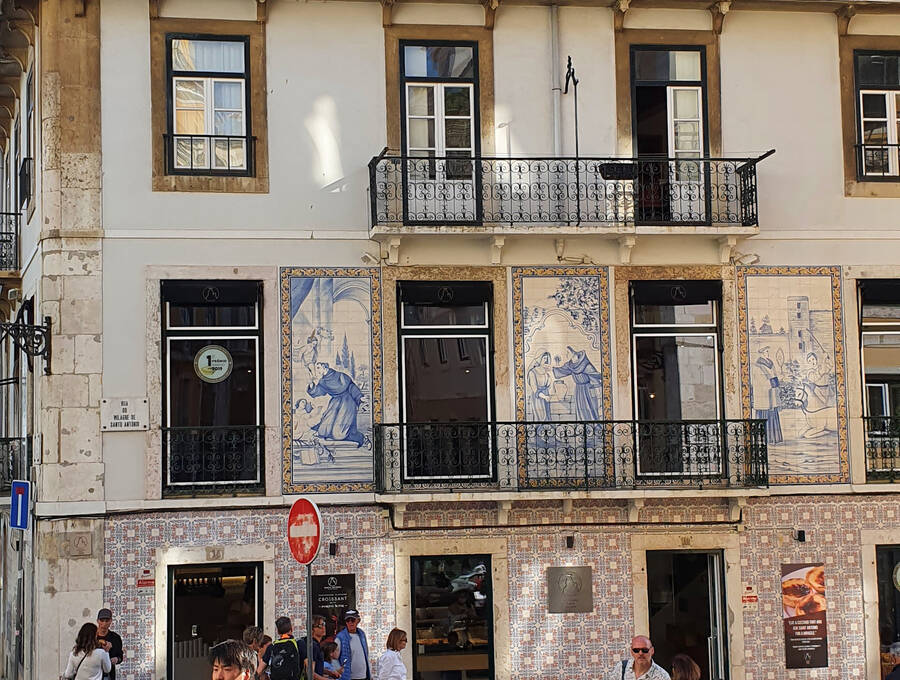
Here is the thing most international buyers only find out halfway through: in Portugal, the friendly agent who shows you the house almost always works for the seller. They were hired by the seller, they are paid by the seller, and their job is to sell that house at a good price.
That is not a scandal. It is simply how the market is set up, and plenty of seller's agents are honest and helpful. But it does mean that when you are buying from abroad, in a language you may not speak, under rules you do not know yet, nobody on the other side of the table is there to look after you. That is the gap a buyer's agent fills. Below we explain what a licensed buyer's agent actually does, how it differs from the seller's agent, when you honestly might not need one, and the questions to ask any agent before you trust them.
- Most Portuguese agents work for the seller. The seller signs the mediation contract and pays the commission, usually around 3 to 5 percent plus VAT according to industry guides such as Portugal Homes.
- Every estate agency needs an AMI licence from IMPIC under Lei 15/2013, and you can check any licence for free on the official gov.pt search.
- A buyer's agent works for you: finding and filtering homes, negotiating, and coordinating the lawyer, survey, bank and paperwork.
- You may not need one if you speak Portuguese, live nearby, buy in cash and already have a lawyer you trust.
- Whoever you use, ask who pays them and get the answer in writing.
How estate agents work in Portugal
Portuguese estate agencies are called mediadoras imobiliárias, and the work they do is called mediação imobiliária. The whole activity is regulated by Lei 15/2013, which sets who may act as an agent, what their contract must say and what duties they owe.
The usual flow goes like this. An agency wins a listing from a seller, which in the trade is called an angariação. The seller signs a contrato de mediação imobiliária, the mediation contract, which must be in writing. Courts have treated a missing written contract as making it void, as the Supreme Court noted in a 2021 ruling that describes the form and minimum content the law requires.
One of the things that contract must state is whether the mandate is exclusive (regime de exclusividade). With an exclusive mandate, only that agency can sell the home for an agreed period. Without one, the seller can list with several agencies at once, which is why you often see the same flat on idealista three times with three different photos and, sometimes, three different prices. Portuguese courts have struck out exclusivity clauses that did not properly spell out their effects, as in this appeal court decision, which shows how seriously the written terms are taken.
The key point for you as a buyer: that contract is between the agency and the seller. The seller is the client. You, in the language of the law, are the other party to the deal.
The AMI licence and IMPIC
To work as an estate agency in Portugal a company needs a licence issued by IMPIC, the Instituto dos Mercados Públicos, do Imobiliário e da Construção. People call it the AMI licence, after the number it carries. Among other things, the licence requires the agency to hold professional liability insurance, and IMPIC can suspend or cancel it.
You can check any agency in a minute. The official gov.pt service run by IMPIC lets you search licensed mediation companies by name, licence number, NIF or the municipality of their head office. It is free and the result is immediate. Licensed agencies normally show their AMI number on their website, adverts and office, so if someone cannot give you one, that tells you something.
A few practical notes:
- Check the company, not just the person. Many consultants work under a franchise or a larger agency's licence. The name on the licence should match the company you are dealing with.
- Make sure it is active. A licence number that returns no result, or a different company name, is a red flag.
- Lawyers are checked separately. If someone says they are a lawyer, they should be registered with the Ordem dos Advogados. That is a different register from IMPIC.
We cover more of these checks in our guide to avoiding property scams in Portugal.
What the seller's agent does, and does not do, for you
A good seller's agent can be very useful to a buyer. They know the property, they can get you documents quickly, they arrange viewings and they pass your offer on. Many will answer your questions honestly. But their incentives point one way:
- They are paid by the seller, and usually only if the sale completes, so their interest is a sale at a good price.
- They are not there to tell you a home is overpriced compared with recent sales next door.
- They will show you their own listings, not the better-value flat another agency has two streets away.
- They are not your lawyer and are not checking the title, the licences or the debts on the property for you.
- They are not your surveyor. "It has always been like that" is not a damp report.
None of this makes them the enemy. It just means that, on a seller-agent-only purchase, the work of protecting your interests falls on you and on the lawyer you hire.
What a buyer's agent does
A buyer's agent is still a licensed mediadora, but the mediation contract is signed with you, the buyer. Their job is to get you the right home on the right terms. In practice that usually covers:
- Defining the brief. Turning "somewhere warm near the sea" into specific areas, budgets and must-haves, including what you can realistically borrow.
- Searching the whole market. Looking across agencies and portals, and through local contacts, not just one agency's stock.
- Filtering hard. Weeding out homes with obvious legal, licensing or structural issues before you waste a flight or an evening on them.
- Viewings. In person, or on live video if you are abroad, asking the questions you would not know to ask.
- Price and negotiation. Comparing with real recent sales and negotiating the price and terms on your behalf.
- Coordination. Lining up the NIF, the bank account, the mortgage adviser, an independent surveyor and an independent lawyer, then keeping everyone on the same timeline through the CPCV and the deed.
What a buyer's agent should not do is replace your lawyer. The legal checks on title, debts and licences, and the drafting of the contract, belong with an independent, regulated lawyer. A good buyer's agent makes sure that happens properly; they do not pretend to do it themselves.
Both are licensed under the same law. The difference is who signed the contract, and so whose interests come first.
Not sure what kind of help you need?
On a free call we will look at where you are in the process, what you can safely do yourself and where an extra pair of eyes would actually save you money or stress.
Book a discovery call Free consultation. No obligation.Dual representation and how to protect yourself
Sometimes one agency ends up dealing with both sides of the same sale: it holds the seller's listing and also takes the buyer under its wing. Practitioners in Portugal have written about how this can create a conflict of interest unless it is disclosed and managed, since one party wants the highest price and the other the lowest. A buyer-side specialist, Massimo Forte, argues that where an agency works with both sides, it should formally represent one and leave the other to a separate professional.
You cannot always avoid an agency that also knows the seller, and that is fine. What you can do is make the relationship clear:
- Ask, in writing, who the agency's client is. If the answer is "the seller", treat everything they say about price as the seller's view.
- Ask how the agency is paid on this sale, and by whom. A transparent agent will tell you straight away.
- Hire your own independent lawyer, not one recommended by the seller or the developer, and let them review the CPCV before you sign or pay anything.
- Get your own survey. Our guide on why a survey matters in Portugal explains what it catches.
- Do your own price homework, using official statistics and recent comparable sales rather than asking prices alone.
When you might not need one
We would rather be honest than sell you something you do not need. You may be perfectly fine with a seller's agent and a good lawyer if most of these are true:
- You speak Portuguese, or have someone close who does and has time to help.
- You live in Portugal, or can spend weeks there, so you can view many homes and get a feel for the area yourself.
- You are buying in cash, so there is no mortgage timeline to manage.
- You already have an independent lawyer you trust and a surveyor lined up.
- You know the local market well enough to tell a fair price from an optimistic one.
Where a buyer's agent earns its keep is the opposite case: buying from the US or the UK, on a timeline, with a mortgage based on income earned abroad, in an area you know mainly from holidays. That is a lot of moving parts and a lot of people to coordinate from another time zone. If that is you, our guide to buying in Portugal without flying over shows how the remote process works.
Questions to ask any agent
Whether they work for the seller or for you, these questions sort the careful from the careless quickly:
- What is your AMI number, and in which company's name? Then check it yourself on the gov.pt search.
- Who is your client in this sale, and who pays you? Ask for the answer in writing.
- Is your mandate on this home exclusive? It tells you whether other agencies can show it too.
- Can I see the Caderneta Predial, the land registry certificate and the energy certificate now? A seller who is ready to sell has these. Our guide to the documents to check explains each one.
- Are all the works on this property licensed? Extensions, pools and converted annexes are common trouble spots.
- What did similar homes nearby actually sell for? Not what they were listed at.
- Will you put me in touch with an independent lawyer, or do you expect me to use yours? The right answer is that the choice is yours.
If you want the bigger picture of where an agent fits into the whole purchase, read our step-by-step guide to buying a home in Portugal.
GetCasa is a licensed buyer's agent (AMI 24277) based in Funchal and working across Portugal, and we act for the buyer. One dedicated team takes you from the first call to the keys: NIF and bank account, financing with income earned abroad through an independent adviser, scouting and viewings in person or on video, negotiation, an independent survey on every purchase and an independent regulated lawyer for the legal checks and conveyancing. We are transparent about how we are paid: if a seller or their agent also pays us a share of commission on a sale, we tell you in writing in your client contract before you commit.
Book a free call and we will tell you honestly whether you need us.
We do our best to keep this information accurate and up to date as of the date above, but rules, rates and procedures in Portugal change often. This article is general information, not legal, tax or financial advice. Please check the details independently with the relevant authority or a qualified professional before making any decision. GetCasa is a licensed real-estate mediator (AMI 24277), not a law or tax firm.
Want someone on your side of the table?
We help international buyers find the right home in Portugal and see the purchase through, with an independent survey and lawyer on every deal. One team, from first viewing to the keys.
Book my discovery call Free consultation. No obligation. Your details stay private.Common questions
Usually the seller. In most Portuguese sales the seller signs the mediation contract with the agency and pays its commission, typically around 3 to 5 percent plus VAT according to industry guides. A buyer's agent is a licensed agency that signs its contract with the buyer instead and works for the buyer's interests.
Use the free official search on gov.pt, run by IMPIC, which lets you look up licensed mediation companies by name, licence number, NIF or municipality. The company name on the licence should match the company you are dealing with, and a number that returns no result is a red flag.
No. A buyer's agent finds and filters homes, negotiates and coordinates the purchase. The legal checks on title, debts and licences, and the review of the CPCV, should be done by an independent, regulated lawyer registered with the Ordem dos Advogados.
If you speak Portuguese, live in or near the area, are buying in cash, already have an independent lawyer and surveyor, and know local prices well, you may be fine working with seller's agents. A buyer's agent adds most value when you are buying from abroad, with a mortgage, on a timeline, in an area you do not know well.
It happens, and it can create a conflict of interest unless it is disclosed and managed, because one side wants a higher price and the other a lower one. Ask in writing who the agency's client is and how it is paid on the sale, and use your own independent lawyer and survey whatever the answer.
Paulo founded GetCasa to give international buyers the independent survey, legal and financing standards he would expect for himself. GetCasa is a licensed real-estate mediator in Portugal (AMI 24277).