
7 mistakes international buyers make in Portugal, and how to avoid them
 PauloFounder & relocation advisor, GetCasa (AMI-licensed mediator)
Updated July 2026
11 min read
PauloFounder & relocation advisor, GetCasa (AMI-licensed mediator)
Updated July 2026
11 min read
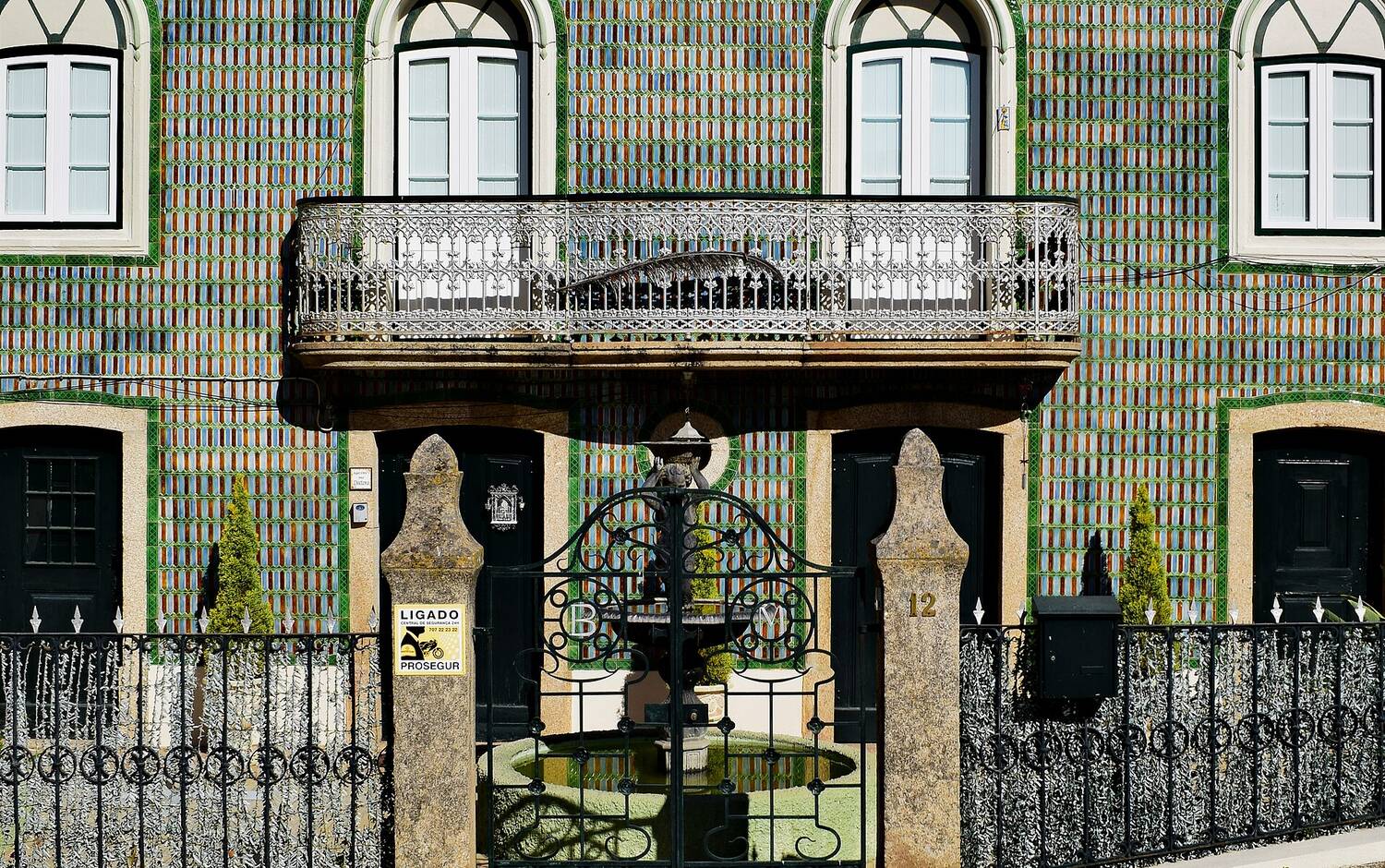
Buying a home in Portugal is, on the whole, a happy story. But the buyers who run into trouble almost always trip over the same handful of things, and nearly every one of them is avoidable if you know it is coming.
We put this guide together from the questions we hear most, and from the moments where a deal wobbled. None of this is meant to scare you off. Portugal is a straightforward place to buy in once you understand how it works. The point is simply to help you spot the traps early, while they are still cheap to fix. A quick, honest note before we start: rules on tax, visas and residency described here are as of 2026 and do change, so treat this as a map, not legal advice, and get professional advice for your own situation.
- Budget 6 to 10 percent on top of the price for taxes and fees. Non-residents face a flat 7.5 percent IMT since 25 May 2026, roughly double the old rate for many.
- Hire your own independent lawyer, separate from the agent and the developer, to run the due diligence the notary does not.
- Get a survey even though nobody asks for one. Portugal has no mandatory buyer-survey culture, so problems stay hidden until they are yours.
- Check the licences. Since 2024, more liability for unlicensed works passes to you at the deed, and fines can be severe.
- Do not rush the CPCV. The promissory contract is binding, and your deposit is usually 10 percent of the price.
Each one below comes with the simple step that heads it off.
1. Skipping the survey
In the US and UK, a survey is almost automatic. In Portugal it is not. There is no mandatory buyer-survey culture, so many people buy without ever having an independent expert look at the building. That is fine right up until the roof leaks, the wiring is not what it seemed, or a wall that looked solid turns out not to be.
The fix is simple and inexpensive relative to the risk. Before you commit, hire your own engineer or surveyor to check the roof and any water ingress, the structural walls and foundations, the wiring and plumbing, damp, and any alterations that may have been done without permission. If they find something, you use it to renegotiate or to walk away. A survey rarely tells you not to buy. More often it tells you what to fix, and who should pay for it.
2. Not hiring your own independent lawyer
The notary who oversees the deed is a neutral public official. Their job is to witness and register the transaction, not to protect your interests or hunt for problems on your behalf. That gap is where buyers get caught.
You want your own lawyer, genuinely independent of the agent and the developer, to run the checks nobody else will. In practice that means verifying four core documents and cross-checking them against the physical property:
- Certidão Permanente, the land registry record, confirming who really owns it and what is charged against it.
- Caderneta Predial, the tax record, describing the property as the authorities see it.
- Licença de Utilização, the use or occupation licence, confirming the building can legally be lived in.
- Certificado Energético, the energy certificate, which is legally required to sell.
When those documents do not match what you are standing in, for example a two-bedroom on paper that has quietly become a four-bedroom, that is exactly the kind of thing a good lawyer catches before you sign, not after.
Want someone independent in your corner?
On a free discovery call we walk you through the survey, legal and financing steps for your specific purchase, before you commit to anything.
Book a discovery call Free consultation. No obligation.3. Underestimating the buying costs
The sticker price is not the price. On top of it you pay transfer tax, stamp duty, notary and registration fees, and legal fees, and together these typically run about 6 to 10 percent of the purchase price. As a rough guide, that is nearer 5 to 6 percent for a resident buying a main home and 8 to 9 percent for a non-resident. Notary and land-registry fees usually total somewhere around €500 to €1,200.
The two big items are IMT, the property transfer tax, and stamp duty. For a Portuguese tax resident buying a primary residence, IMT is progressive: nothing up to €106,346, then rising through bands of 2, 5, 7 and 8 percent, with a marginal 6 percent band above €660,982. In practice a resident buying a €300,000 home as their main residence pays roughly €10,747, about 3.6 percent. Stamp duty is a flat 0.8 percent of the price on top, and if you take a Portuguese mortgage, a further 0.5 to 0.6 percent applies to the loan.
There is an important change to flag here. Under the "Construir Portugal" package (Decreto-Lei 97/2026, published 20 May 2026), non-resident buyers of urban residential property face a flat 7.5 percent IMT regardless of the property value, in force since 25 May 2026, rather than the progressive resident scale. For many non-resident second-home buyers that is close to a doubling of the tax. There is a reclaim mechanism if you become a Portuguese tax resident within two years of the purchase, or let the home long-term at a capped rent. Because this rule is new and still bedding in, confirm the current position for your purchase before you rely on any figure.
| Cost | Resident, main home | Non-resident |
|---|---|---|
| IMT (transfer tax) | Progressive, 0% up to €106,346, up to 8% marginal | Flat 7.5% since 25 May 2026 |
| Stamp duty (property) | 0.8% of price | 0.8% of price |
| Stamp duty on a mortgage | 0.5% to 0.6% of the loan | 0.5% to 0.6% of the loan |
| Notary & registration | ~€500 to €1,200 | ~€500 to €1,200 |
| All-in one-off costs | ~5% to 6% of price | ~8% to 9% of price |
Where a figure is uncertain, plan for the higher end. It is far easier to be pleasantly surprised at completion than to be short.
4. Ignoring licensing and legal title
This is the mistake that can cost the most, because it hides in plain sight. Since Decreto-Lei n.º 10/2024, the Simplex Urbanístico reform, streamlined municipal checks at the point of sale, specialists report that more of the practical burden of confirming defects and unlicensed works now falls on you, the buyer, at the escritura. In plain terms, if a previous owner added a floor or enclosed a terrace without permission, that problem can become yours the moment you sign.
The stakes are not small. Fines for occupying a building without a valid licença de utilização can run from a few hundred euros into the tens of thousands for individuals, and legalising unpermitted construction can cost anywhere from several thousand euros to a six-figure sum for larger works. The câmara municipal also has up to ten years to enforce, which can include an embargo or, in the worst cases, demolition. These figures are specialist-reported rather than a single published government tariff, so treat them as the shape of the risk, and have your lawyer confirm what applies to a specific property.
The defence is the same one as mistake number two: proper due diligence, done by someone working for you, comparing what is licensed against what has actually been built.
5. Choosing the wrong area
Portugal is small on a map and surprisingly varied on the ground. A town that is perfect in August can be shuttered and quiet in January. A ten-minute difference in location can change the light, the noise, the commute and the resale value. Foreign demand is also heavily concentrated: foreigners made up 28 percent of home purchases in 2025 on Bank of Portugal data, but the Algarve alone accounted for around 29.7 percent of non-resident transactions and Greater Lisbon around 12.5 percent, which pushes prices in the best-known spots and leaves quieter value elsewhere.
The honest fix is to slow down and research the specific street, not just the region. Visit at different times of year if you can, talk to people who live there, and be clear with yourself about what you actually want day to day. Buying the right house in the wrong place is one of the few property mistakes that money cannot easily undo.

6. Losing money on the currency transfer
If you are paying in dollars or pounds for a home priced in euros, the exchange rate quietly becomes one of your biggest line items, and it is the one buyers think about least. High-street banks tend to bury their margin in a wide exchange-rate spread rather than a visible fee, so the cost is real but invisible.
Specialist currency providers usually offer tighter rates, and give you tools a bank rarely does. A forward contract lets you lock today's rate for a payment due months later, so the deposit and the final balance are not exposed to a market swing between signing the CPCV and the escritura. A limit order lets you target a specific rate and transfer automatically when the market reaches it. The saving is mostly in the spread: high-street banks often bury a margin of several percent in the exchange rate, while a specialist may charge a fraction of that, sometimes under half a percent, which on a property-sized transfer is the difference between a small cost and a large one.
As an illustration only, one currency marketplace cites savings of up to around £5,000 per £100,000 transferred versus a high-street bank. That figure comes from a broker's own site and is an upper bound rather than a promise, so treat it as directional. The principle is what matters: on a home-sized transfer, a wide spread quietly costs thousands, and fixing your rate early removes the risk of the price moving against you at the last minute.
7. Rushing the CPCV
The CPCV, the Contrato de Promessa de Compra e Venda, is the binding promissory contract you sign before the final deed. It is not a formality, and this is where speed becomes expensive. The deposit, the sinal, is typically 10 percent of the price. If you back out without valid cause, you forfeit it. If the seller backs out, they generally owe you double. So the contract needs to be right, and the conditions you care about, from finance to survey findings, need to be written into it.
Rushing or mis-drafting the CPCV carries genuine financial risk, and it is precisely the document that a pushy timeline or a translation you skimmed can undermine. Read it properly, have your lawyer draft or review it, and make sure any get-out clauses you are relying on are actually in the text. A calm week here protects a 10 percent deposit.
One last thing, because it comes up so often. Buying property in Portugal, as of 2026, does not by itself grant residency. The Golden Visa's real-estate route was removed in October 2023, and the old Non-Habitual Resident tax regime closed to new applicants from 1 January 2024, replaced by the much narrower IFICI. If your plan depends on residency or a particular tax treatment, sort that out on its own track with a specialist, and do not assume the purchase does it for you.
Buying from abroad and want it done properly?
We help international buyers with the survey, legal and financing standards we would expect for ourselves. One dedicated team, from first viewing to the keys.
Book my discovery call Free consultation. No obligation. Your details stay private.Common questions
We think so. Portugal has no mandatory buyer-survey culture, so structural and technical problems often stay hidden until they are yours. An independent engineer or surveyor checking the roof, structure, wiring, plumbing and any unpermitted work is inexpensive next to the risk, and the findings give you room to renegotiate.
The notary is a neutral official who witnesses and registers the deed. They do not run due diligence for you. Your own independent lawyer verifies the land registry, tax record, use licence and energy certificate, and cross-checks them against the physical property, which is exactly where problems get caught in time.
Plan for roughly 6 to 10 percent of the price in taxes and fees, nearer 5 to 6 percent for a resident main home and 8 to 9 percent for a non-resident. Since 25 May 2026, non-resident buyers face a flat 7.5 percent IMT. Because the rules are still bedding in, confirm the current position for your purchase before you rely on a figure.
Not on its own, as of 2026. The Golden Visa's real-estate route was removed in October 2023, and the old NHR tax regime closed to new applicants from January 2024. If your plan depends on residency or a specific tax treatment, handle that separately with a specialist and do not assume the purchase covers it.
Paulo has spent his career in property across Lisbon and London, and founded GetCasa to give international buyers the independent survey, legal and financing standards he would expect for himself. He works through GetCasa, a licensed real-estate mediator in Portugal (AMI 24277), and writes these guides from live buyer cases rather than theory.